

How thick is a typical waterproof blanket?
Nov 10, 2025
Leave a message
When it comes to waterproof blankets, one of the most frequently asked questions is, "How thick is a typical waterproof blanket?" As a supplier of high - quality waterproof blankets, I'm here to provide you with a comprehensive answer to this question.
Understanding the Basics of Waterproof Blankets
Before delving into the thickness, it's essential to understand what a waterproof blanket is and its various applications. Waterproof blankets are designed to protect surfaces from moisture, spills, and stains. They are commonly used in a wide range of settings, including beds, sofas, pet areas, and even outdoor camping.
The key component of a waterproof blanket is its waterproof layer. This layer is usually made from materials such as polyurethane (PU), polyethylene (PE), or a combination of both. These materials create a barrier that prevents liquids from seeping through to the underlying surface.
Factors Affecting the Thickness of Waterproof Blankets
The thickness of a waterproof blanket is influenced by several factors.
1. Material Composition
Different materials have different thickness requirements to achieve the desired level of waterproofing. For example, a blanket with a thick layer of PU may be thinner overall compared to one with a PE layer, as PU is often more efficient at blocking water. The quality of the material also plays a role. Higher - quality materials may be able to provide better waterproofing with a thinner layer, while lower - quality materials may require a thicker layer to achieve the same result.
2. Intended Use
The intended use of the waterproof blanket is a significant factor in determining its thickness. If the blanket is for light - duty use, such as protecting a sofa from occasional spills, a thinner blanket may be sufficient. On the other hand, if it's for heavy - duty use, like protecting a bed in a hospital setting or a pet area where there is a lot of moisture, a thicker blanket may be necessary.
3. Comfort and Softness
In some cases, the thickness of the blanket is also related to comfort and softness. A thicker blanket may be more comfortable to lie on, but it may also be less flexible. For applications where comfort is a priority, such as a waterproof blanket for a bed, the thickness may be adjusted to strike a balance between waterproofing and comfort.
Typical Thicknesses of Waterproof Blankets
Now, let's get to the main question: How thick is a typical waterproof blanket?
1. Light - Duty Waterproof Blankets
Light - duty waterproof blankets, such as those used for protecting furniture from occasional spills, typically have a thickness ranging from 0.2mm to 0.5mm. These blankets are usually made with a thin layer of waterproof material and may have a soft fabric on one side for a more aesthetic look. They are lightweight and easy to handle, making them ideal for home use.
2. Medium - Duty Waterproof Blankets
Medium - duty waterproof blankets are suitable for applications where there is a moderate amount of moisture. For example, they can be used in a pet's sleeping area or a guest bed. The thickness of these blankets usually falls between 0.5mm and 1mm. They offer better waterproofing than light - duty blankets and are more durable.
3. Heavy - Duty Waterproof Blankets
Heavy - duty waterproof blankets are designed for high - moisture environments. They are commonly used in hospitals, nursing homes, and industrial settings. These blankets can have a thickness of 1mm to 3mm or even more. The extra thickness provides enhanced waterproofing and durability, making them able to withstand heavy use and frequent washing.
Comparing Thickness with Other Features
It's important to note that thickness is not the only factor to consider when choosing a waterproof blanket. Other features, such as absorbency, breathability, and washability, also play crucial roles.
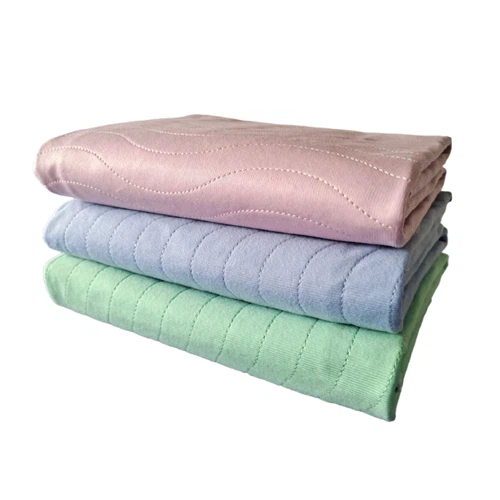
For instance, some waterproof blankets are designed with an absorbent layer on top of the waterproof layer. This absorbent layer can quickly soak up liquids, preventing them from pooling on the surface. Blankets with good absorbency can be particularly useful in pet areas or for people who are prone to spills. You can check out our Washable Underpad for Pets which combines absorbency and waterproofing features.
Breathability is another important feature. A breathable waterproof blanket allows air to circulate, preventing the build - up of heat and moisture. This can make the blanket more comfortable to use, especially for long periods.
Washability is also a key consideration. Reusable waterproof blankets are not only more environmentally friendly but also cost - effective in the long run. Our Reusable Absorbent Underpads are designed to be easily washed and reused, maintaining their waterproofing and absorbency properties even after multiple washes.
How to Choose the Right Thickness for Your Needs
When choosing a waterproof blanket, you need to consider your specific needs. Here are some tips to help you make the right decision:
1. Assess the Level of Moisture
Think about how much moisture the blanket will be exposed to. If it's for light spills, a thin blanket may be enough. But if there is a lot of moisture, such as in a pet area or a hospital bed, a thicker blanket is recommended.
2. Consider the Surface to be Protected
The surface you want to protect also matters. If it's a delicate surface, you may want a softer and thinner blanket to avoid scratching. For a more durable surface, a thicker blanket may be a better choice.
3. Evaluate Comfort Requirements
If the blanket will be in direct contact with the body, such as a bed blanket, comfort is crucial. You may need to choose a thickness that provides a good balance between waterproofing and comfort.

Conclusion
In conclusion, the thickness of a typical waterproof blanket can vary widely depending on its material composition, intended use, and other factors. Light - duty blankets are usually 0.2mm to 0.5mm thick, medium - duty blankets range from 0.5mm to 1mm, and heavy - duty blankets can be 1mm to 3mm or more.
When choosing a waterproof blanket, it's important to consider not only the thickness but also other features such as absorbency, breathability, and washability. At our company, we offer a wide range of waterproof blankets to meet different needs. Whether you need a light - duty blanket for your sofa or a heavy - duty blanket for a hospital setting, we have the right product for you.
If you're interested in purchasing our waterproof blankets or have any questions about our products, please feel free to contact us for a procurement discussion. We look forward to serving you and providing you with the best waterproof solutions.
References
- "Waterproof Materials and Their Applications" - Journal of Textile Science
- "The Science of Absorbency in Textiles" - Textile Research Journal