

Are non - woven fabric blankets static - prone?
Jan 20, 2026
Leave a message
Are Non - woven Fabric Blankets Static - Prone?
As a supplier of Non-woven Fabric Blanket, I've been frequently asked about the static - prone nature of these blankets. In this blog post, I'll delve into the topic from a scientific perspective, explore the factors that influence static generation, and compare non - woven fabric blankets with other types, such as Mylar Emergency Blanket and Transport Blanket.
Understanding Static Electricity
Static electricity is the result of an imbalance of electric charges within or on the surface of a material. When two materials come into contact and then separate, electrons can be transferred from one material to the other. The material that loses electrons becomes positively charged, while the material that gains electrons becomes negatively charged. This charge imbalance can lead to a static discharge when the charged object comes close to a conductor or another object with an opposite charge, creating a spark or a shock.
Factors Affecting Static Generation in Non - woven Fabric Blankets
- Material Composition
Non - woven fabrics are made by bonding or interlocking fibers together, rather than weaving them. The type of fibers used can significantly impact static generation. For example, synthetic fibers like polyester and polypropylene are more prone to static electricity than natural fibers such as cotton. This is because synthetic fibers have a higher resistance to the flow of electrons. When non - woven blankets are made from predominantly synthetic materials, they are more likely to accumulate static charges. - Environmental Conditions
The humidity level in the environment plays a crucial role in static electricity. In dry conditions, the air has fewer water molecules. Water is a good conductor of electricity, so in a dry environment, the static charges generated on the non - woven fabric blankets are less likely to dissipate. As a result, the blankets are more likely to retain static charges and become static - prone. On the other hand, in a humid environment, the water molecules in the air help to neutralize the static charges on the surface of the blanket, reducing the likelihood of static buildup. - Friction
Friction is another major factor in static generation. When the non - woven fabric blanket rubs against other materials, such as clothing or bedding, electrons are transferred between the surfaces. The more friction there is, the more likely static charges will be generated. For example, if a person moves around a lot while using the blanket, the constant rubbing between the body and the blanket can lead to significant static buildup.
Comparing Non - woven Fabric Blankets with Other Types of Blankets
- Mylar Emergency Blankets
Mylar Emergency Blanket is made of a thin, reflective plastic film. Mylar is a highly synthetic material, and it is extremely prone to static electricity. The smooth surface of the Mylar film also allows static charges to accumulate easily. When you handle a Mylar emergency blanket, you may often experience static shocks, especially in dry conditions. In comparison, non - woven fabric blankets made with a blend of natural and synthetic fibers may have a lower tendency to generate static, depending on the fiber composition. - Transport Blankets
Transport Blankets are typically used to protect items during transportation. They can be made from a variety of materials, including non - woven fabrics, cotton, and foam. The static - prone nature of transport blankets depends on their material. Non - woven transport blankets made with synthetic fibers may be more static - prone than those made with natural fibers. However, compared to Mylar emergency blankets, non - woven transport blankets may have a more balanced static - generating potential, especially if they are designed with anti - static treatments.
Mitigating Static in Non - woven Fabric Blankets
- Anti - static Treatments
Many manufacturers, including us as a Non-woven Fabric Blanket supplier, offer non - woven fabric blankets with anti - static treatments. These treatments work by reducing the surface resistance of the fabric, allowing static charges to dissipate more easily. Anti - static agents can be applied during the manufacturing process, either by coating the fibers or incorporating them into the fiber structure. - Humidification
As mentioned earlier, humidity can help reduce static electricity. In dry environments, using a humidifier can increase the moisture content in the air, which in turn helps to neutralize the static charges on the non - woven fabric blankets. This is a simple and effective way to minimize static problems, especially in indoor settings. - Choosing the Right Fiber Blend
Selecting non - woven fabric blankets made with a higher proportion of natural fibers can also reduce static generation. Natural fibers like cotton absorb moisture more readily than synthetic fibers, which helps to dissipate static charges. By offering a range of non - woven fabric blankets with different fiber blends, we can meet the diverse needs of our customers, especially those who are sensitive to static electricity.
Conclusion
In conclusion, non - woven fabric blankets can be static - prone, especially when they are made from synthetic fibers and used in dry environments. However, factors such as material composition, environmental conditions, and friction can all influence the static - generating potential. Compared to Mylar emergency blankets, non - woven fabric blankets may have a more manageable level of static, and there are various ways to mitigate static problems, including anti - static treatments, humidification, and choosing the right fiber blend.

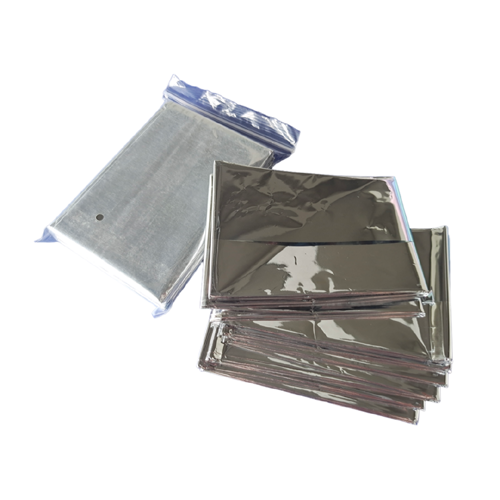
If you're interested in our Non-woven Fabric Blanket products or have any questions about static - reduction solutions, feel free to reach out to us for a procurement discussion. We're committed to providing high - quality non - woven fabric blankets that meet your specific requirements.
References
- Bouchard, E. A., & Gillespie, J. W. (2001). Electrostatic charge generation in fibrous materials. Textile Research Journal, 71(10), 929 - 937.
- Horrocks, A. R., & Anand, S. C. (Eds.). (2000). Handbook of technical textiles. Woodhead Publishing.
- Torino, V. (2018). Static electricity: A review of its generation, hazards, and control. Journal of Electrostatics, 97, 1 - 14.